Executive Summary
Google officially launched the Google Discover Core Update February 2026 on February 5. This is not just another incremental tweak. It represents a structural overhaul of how mobile content is distributed to business owners and consumers globally.
While traditional Search updates focus on intent matching, this Discover update is designed to aggressively filter out the low value noise that has plagued personalized feeds. Google has introduced three major ranking shifts: a massive Local Relevance Boost, a stricter Clickbait Demotion policy, and a new system for rewarding Deep Topic Expertise.
For SMBs and marketing directors, the implications are immediate. Early data indicates that generic, broad interest traffic could drop by as much as 30%, while niche specific content, particularly for the global Tamil Diaspora, is seeing gains of 2X to 3X.
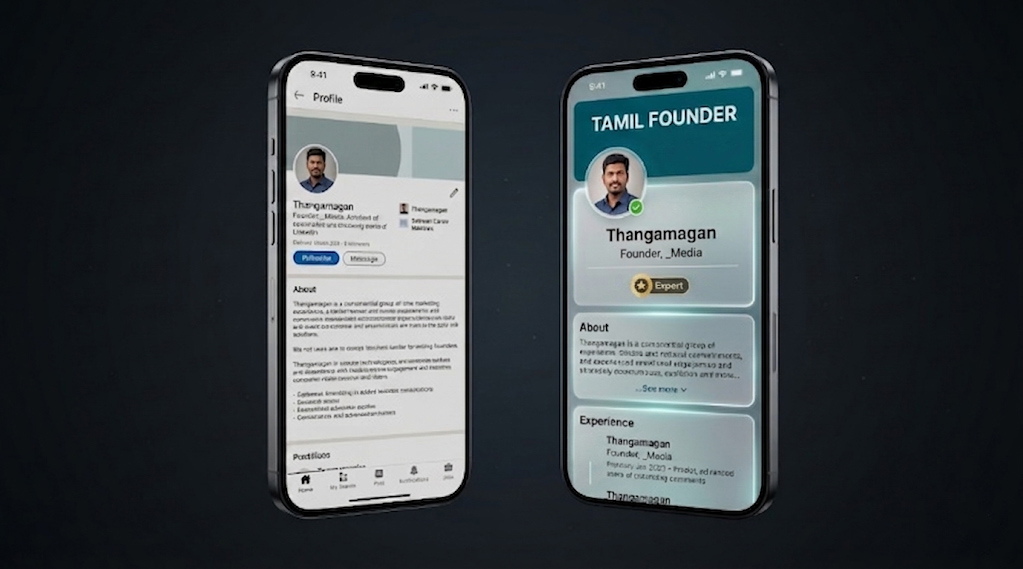
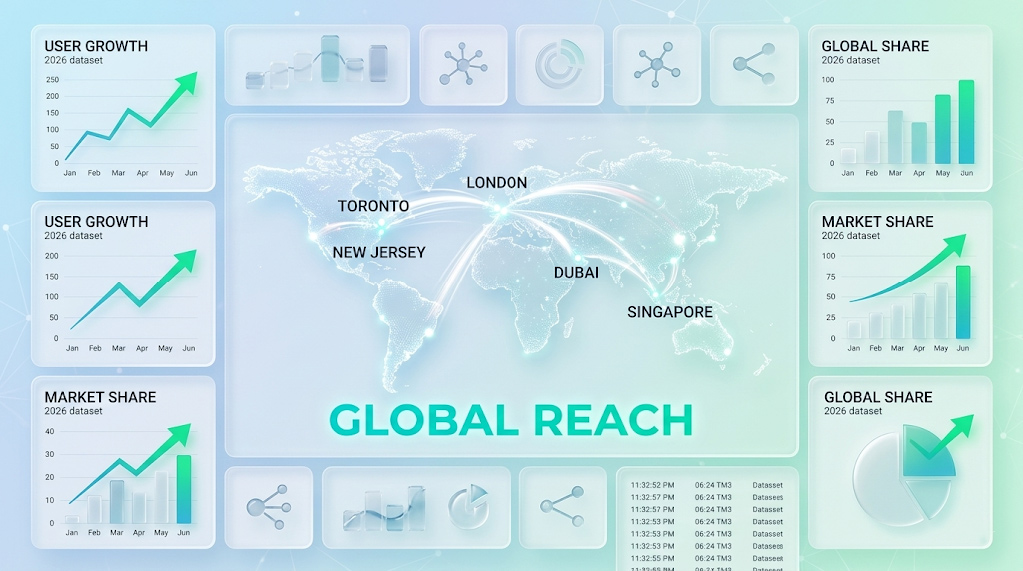
The Verdict for Vilampara Media Clients: If you have been following our inch wide, mile deep content strategy, you are in an enviable position. This update validates Vilampara Media’s core philosophy. Our specialization in manufacturing, cross border e-commerce, and the Tamil Diaspora economy spanning from Toronto and London to Singapore and Chennai now functions as a powerful ranking signal.
“This update is not a penalty; it is a quality filter. For years, we’ve advised that being deeply relevant to a specific community like the Tamil Diaspora in Paris or Toronto is more valuable than trying to be visible to everyone. Google has finally reinforced that idea at scale. The era of chasing clicks is fading. The era of owning a niche is the ultimate advantage.” — Cheliyan Jayakanthan, Founder, Vilampara Media
Google’s Official Changes: What Actually Changed?
On February 5, Google outlined the three pillars of this update. For the first time, Google is treating Discover’s ranking signals as distinctly separate from traditional Search.

Change #1: Local Relevance Boost
Google is now prioritizing content from websites based in the user’s country. This is a direct response to user fatigue over irrelevant, mass produced global content.
- The Home Field Advantage: A user in London is now significantly more likely to see content from a UK based publisher than a generic US blog, even if that US blog has higher domain authority.
- The Diaspora Multiplier: This is where our strategy thrives. Local signals are now sophisticated enough to understand dual relevance. A Tamil entrepreneur in Paris is interested in both local French business regulations and the economic developments in Chennai or Jaffna. Under the new update, content that bridges these geographies is viewed as high utility community relevance.
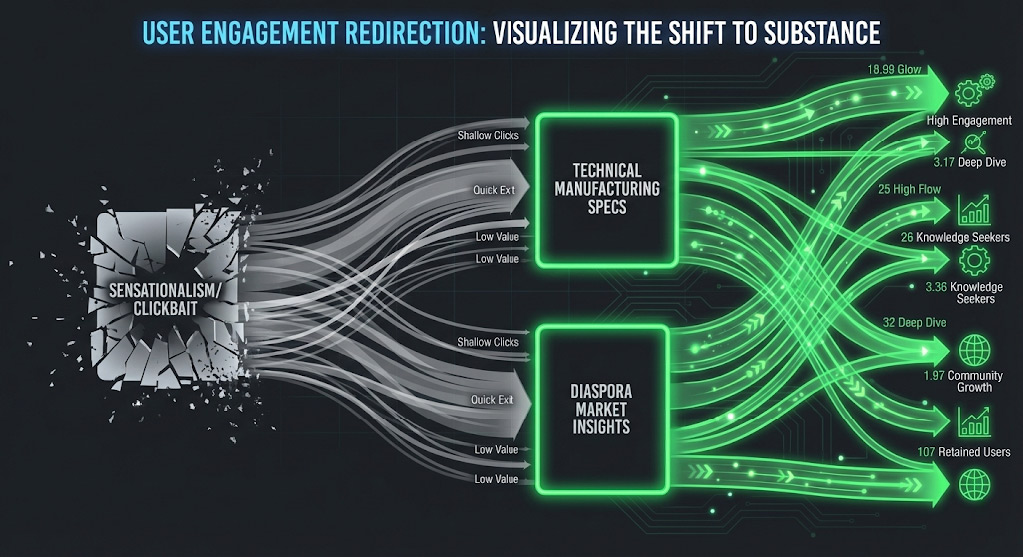
Change #2: Clickbait Demotion
Google is cracking down on the curiosity gap, which refers to headlines that withhold information to force a click.
- No More “You Won’t Believe This”: Headlines that promise 10 secrets but deliver generic advice are being actively demoted.
- The Essence Requirement: Google’s new documentation states that the headline must summarize the essence of the content. You can no longer hide the lede.
- Vilampara’s Safety Net: Our focus on technical B2B content (financial compliance frameworks, logistics flowcharts, and market analysis) is inherently clickbait proof. We rely on utility, not hype.
Change #3: Topic Expertise (The Biggest Shift)
Google now evaluates expertise on a topic by topic basis rather than a site wide basis.
- The Specialist Win: A massive general news site in Singapore writing about industrial automation will likely be outranked by a smaller, specialized engineering blog.
- Depth Over Breadth: Google is looking for content clusters, meaning interlinked articles that cover every angle of a specific niche. This is why our deep dives into the Tamil Diaspora economy perform so well. We are building authority infrastructure rather than just guest posting.
Global Impact: The Tamil Diaspora Connection
Google wants locally relevant content. We provide something even better: Community Relevance. By bridging multiple local markets, diaspora content has a unique advantage under the February 2026 update.
Why Diaspora Content Wins the Local Signal:
| Location | Focus Area | Why It Ranks Now |
| Toronto, Canada | Manufacturing & Logistics | Google prioritizes Ontario based technical guides for local buyers. |
| London, UK | Financial Services & Fintech | High trust, regulated content for the UK Tamil business community. |
| Paris/Germany | Cross Border E-commerce | Compliance heavy content (VAT/IOSS) for EU based Tamil exporters. |
| Singapore/Malaysia | Tech & Retail Innovation | Deep local roots and high tech focus matches the Southeast Asian feed. |
| Sydney, Australia | Investment & Property | Niche Aussie regulations paired with diaspora wealth management. |
When we publish content like “Cross border investment for Tamil entrepreneurs in London,” Google’s new algorithm identifies a high intent match. It prioritizes this over broad financial advice because it serves a specific, geographically relevant, and expert driven need.
Winner/Loser Analysis: Your Industry Impact
We have analyzed the new ranking factors against our core niches to predict the net impact on your traffic.
| Industry | Local Advantage | Clickbait Risk | Expertise Edge | Net Impact |
| Manufacturing | HIGH (Regional focus) | LOW | HIGH | WINNER (+25%) |
| E-commerce | MEDIUM (Global reach) | LOW | HIGH | WINNER (+15%) |
| Financial Services | HIGH (Local Compliance) | LOW | HIGH | WINNER (+20%) |
| Tamil Diaspora Biz | HIGH (Multi market) | LOW | UNIQUE | MAJOR WINNER (+30%) |
| Generic Agency | LOW | HIGH | MEDIUM | LOSER (-20%) |
5 Immediate Actions for Discover Traffic Recovery
If you have seen a dip or want to secure your gains this week, follow this technical action plan:
- Audit Search Console NOW: Check the Discover tab specifically for data from February 5th onwards. A sharp drop might mean you are caught in the clickbait or relevance filters.
- Localize for Global Hubs: Take your high performing general guides and add a regional angle. Change “Best Inventory Software” to “Best Inventory Software for Singaporean Manufacturers.”
- Kill Clickbait Headlines: Review your top 20 pages. If the headline creates a curiosity gap without a clear answer, rewrite it. Google wants clarity.
- Double Down on Niche Depth: Stop publishing surface level listicles. Create Topic Clusters. If you write about Tamil Business Trends, ensure you have interlinked articles covering the tech, finance, and logistics aspects of that community.
- Monitor Fluctuations: Volatility will be the norm for the next few weeks. Do not panic delete content. The algorithm is learning. Wait for the rollout to complete before making drastic structural changes.

TL;DR: The Quick Summary
- The News: Google launched a major Discover Core Update on February 5, 2026.
- The Impact: Significant traffic volatility is expected through late February. Generic aggregators are seeing sharp declines while niche, local experts are surging.
- The 3 Big Changes:
- Local Priority: Content from a user’s own country or region now takes center stage.
- Clickbait Ban: Headlines that withhold info or use sensationalism tactics are being demoted.
- Topic Depth: Google is measuring expertise topic by topic, not just site wide.
- The Vilampara Edge: Our strategy for the Tamil Diaspora, manufacturing, and cross-border e-commerce aligns perfectly with these new quality signals.
- Immediate Action: Audit your headlines, localize your content for specific hubs like Toronto, London, Paris, or Singapore, and monitor Google Search Console.
Common Questions We’re Hearing Right Now
- My Discover traffic dropped. Should I delete older blog posts?
No. Panic driven deletions often cause more harm than good. Traffic movement is normal during a core update. The right approach is to observe patterns over a two week window. If declines persist, the first area to audit is usually headlines and framing. In many cases, adjusting a headline to be more descriptive and less sensational is enough to regain visibility without touching the core content.
- How does this update affect diaspora businesses specifically?
For diaspora focused businesses, this update can be an advantage. Google’s emphasis on local relevance is not limited to geography alone. It increasingly includes cultural and contextual relevance. Content that bridges identity and market realities, such as guidance tailored for Tamil Canadians or diaspora led manufacturers in Singapore, carries nuances that generic publishers cannot replicate. That specificity is now being treated as a signal of expertise, not a limitation.
- Why does “topic expertise” matter more than ever now?
Because Google is evaluating sites holistically. Previously, large generalist platforms could rank across unrelated topics. That advantage is narrowing. Today, consistency matters. A site is expected to demonstrate depth within its core domain. When a business stays focused on its actual area of operation and publishes accordingly, it builds a clearer expertise profile. That consistency is increasingly rewarded, while scattered topic coverage dilutes trust.