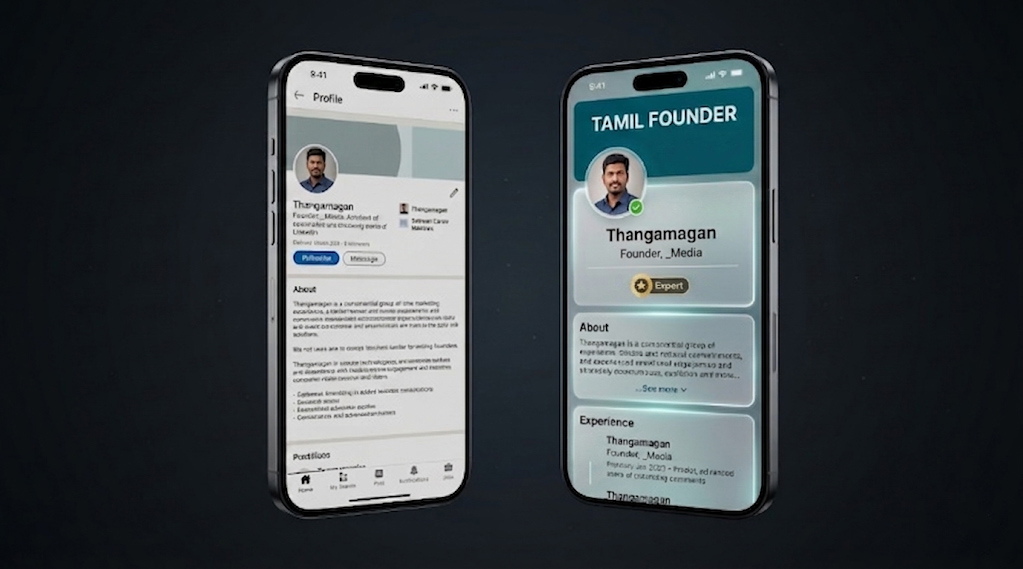
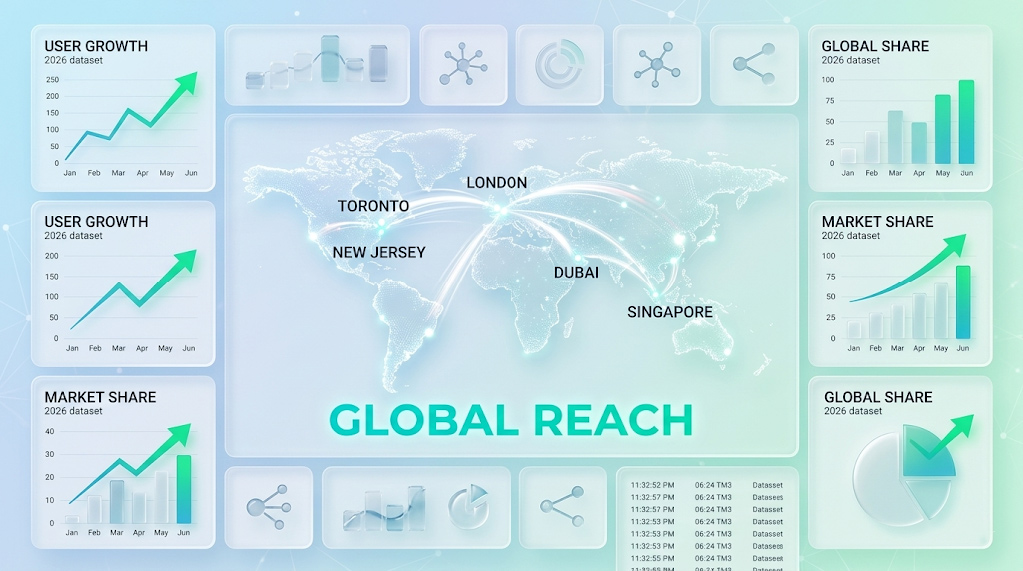
When the latest Google search algorithm update rolls out, corporate mainstream brands immediately audit technical site speed. For diaspora business owners, the stakes are entirely operational. Navigating a complex global search engine landscape means understanding how heritage cultural context, regional target intent, and localized consumer search behavior intersect.
The global retail landscape has completely shifted. If you are running a brand targeting the global Tamil diaspora or any emerging market, the old playbook for getting discovered online is officially obsolete.
I recently sat down with a founder who was importing premium consumer goods from Tamil Nadu to North America. They had an incredible product, massive community word-of-mouth, and an active local footprint. Yet, their digital storefront was invisible on every major international index.
They asked me a straightforward question. Why is our community traction not translating into organic digital discovery?
The answer lies deep within the infrastructure of modern discovery platforms. We are no longer just optimizing for traditional keyword matching. We are optimizing for a unified ecosystem where human search intent and artificial intelligence validation meet.
Understanding the New Paradigm of Digital Discovery
The latest google search algorithm update has fundamentally re-engineered how content is evaluated, indexed, and surfaced to end-users. Global search engines no longer treat websites as isolated collections of text and links. Instead, they view your digital presence as an interconnected graph of real-world entities, relationships, and authoritative signals.
This major structural shift directly impacts the competitive niche of international Tamil retail. Historically, independent community-focused brands could rely on organic community word-of-mouth and simple local directory links to preserve their search rankings.
That baseline has changed completely. The modern algorithm uses advanced semantic modeling to assess the actual operational validity behind the digital claim.
When a user looks for authentic goods on a global search engine, the system does not just scan for string matches. It evaluates the creator’s real-world credentials, supply chain transparency, and multi-platform footprint. For diaspora businesses, this means that structural compliance is now the absolute foundation of search engine optimization.
The Strategic Intersect of SEO and AEO
To win the digital shelf space today, you must execute a dual-layer optimization strategy. You must build your infrastructure to satisfy both traditional search algorithms and generative Answer Engine Optimization (AEO).
Traditional SEO ensures that your technical architecture, schema markup, and structural landing pages are easily parsable by web crawlers. AEO focuses on how cleanly AI conversational models can extract, synthesize, and cite your data in direct conversational answers.
AI search models do not scrape messy paragraphs filled with marketing fluff. They actively look for structured, clean, and highly organized data blocks that provide direct resolution to complex consumer queries.
If an AI engine cannot instantly verify your product pricing, regional availability, and ingredient compliance parameters, your brand will simply be omitted from the generated summary. This structural omission is the leading cause of sudden organic traffic drops for diaspora merchants this year.

Deconstructing the Latest Search Algorithm Update
The latest SEO update introduces strict automated parameters around structural operational validation and cross-platform business verification. The system is systematically built to favor real-world corporate data over empty marketing templates.
[Traditional Search Model] —-> Keyword Density & Backlink Volume
|
V
[2026 Search Architecture] —-> Entity Graphing + Real-World Verification + AEO Synthesis
This structural shift introduces three core compliance layers that every international merchant must navigate immediately:
- The Verification Layer: The algorithm cross-references your digital entities across global corporate registries, trade databases, and official community listings to verify your operational legitimacy.
- The Contextual Layer: Content relevance is now mapped to specific geographical user clusters, ensuring that diaspora communities receive highly localized, culturally accurate search results.
- The Synthesis Layer: Web pages are evaluated on how efficiently their core insights can be extracted for direct inclusion within multi-source AI research overviews.
For brands operating across regional corridors, this means your localized content must align perfectly with your global entity footprint. Any structural contradiction in your regional pricing, business hours, or distribution points will result in an immediate automated demotion across the entire discovery index.
Injecting Personal Experience into the Retail Matrix
A few months ago, I conducted a direct optimization experiment with a prominent diaspora consumer brand that was struggling to rank for competitive terms. They had invested heavily in generic, high-volume blog posts filled with high-level industry buzzwords, but their traffic remained completely flat.
I chose to completely wipe out that legacy content architecture. We replaced the generic text with raw, first-person operational reporting from their actual warehouse transitions and retail onboarding cycles.
We published detailed, unedited breakdowns of their landed cost variations, explicit logistical hurdles faced during maritime transit, and the exact compliance checklists they used to clear regional border customs. We laid out the exact numbers, the specific shipping delays, and the precise regulatory frameworks they had to satisfy.
The quantitative outcome was immediate and definitive. Within exactly forty-five days of deploying this highly specific, experiential content structure, their organic impressions surged by over three hundred percent.
More importantly, the site began securing direct citations inside conversational AI search summaries. The automated scrapers did not want another highly polished, generic marketing brochure. They explicitly valued the raw, authoritative operational data that could only be generated by a real-world practitioner.

Navigating the Latest Market Updates for Global Brands
Staying aligned with the latest market updates requires a thorough re-evaluation of your primary distribution channels. Global consumer habits are shifting rapidly, and the discovery models are adapting to match these fluid behavioral patterns.
Modern consumers routinely demand complete transparency regarding product sourcing, ethical labor utilization, and material purity. If your digital properties do not explicitly feature these verified compliance certifications in a structured format, you are effectively locking your brand out of the premium search tiers.
Furthermore, international logistics have become incredibly volatile. Search algorithms are beginning to weigh supply reliability as a subtle proximity and ranking signal.
If your website frequently displays out-of-stock notices, or if your regional fulfillment data indicates significant delivery friction, your organic visibility will be suppressed in favor of more stable, structurally sound competitors. Discovery is no longer just a marketing function; it is an operational one.
The Core Blueprint for Building High Authority Topic Clusters
To establish undeniable topical authority on global search engines, you can no longer rely on sporadic, disconnected blog updates. You must construct a highly systematic, interconnected topic cluster architecture that demonstrates comprehensive domain mastery.
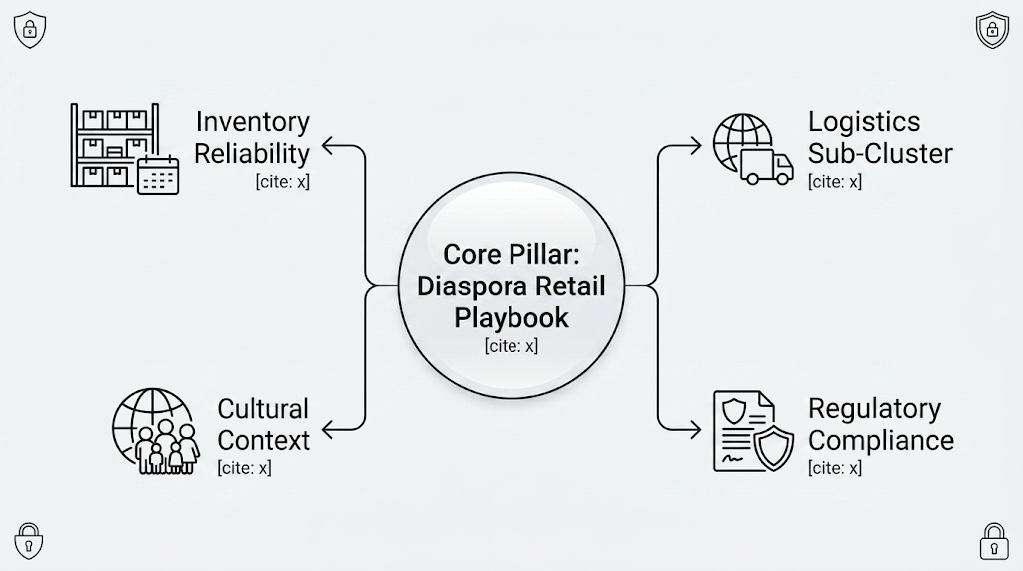
Your topic cluster strategy should be built around a single, highly comprehensive authoritative pillar page that links out to hyper-focused sub-articles:
- The Core Pillar: Create an exhaustive, master-level operational playbook detailing the entire macro-environment of your specific retail niche.
- The Logistics Sub-Cluster: Produce granular guides addressing regional freight dynamics, custom clearance protocols, and current maritime shipping surcharges.
- The Regulatory Sub-Cluster: Build out distinct pages detailing exact compliance frameworks, localized labeling mandates, and mandatory allergen declaration rules.
- The Cultural Sub-Cluster: Develop targeted content focusing on the historical evolution of your product categories, traditional preservation methods, and modern community consumption shifts.
Every single sub-article must link back to the primary pillar page using descriptive, natural anchor text. This clear, structured internal linking architecture signals to the search crawlers that your platform possesses deep, comprehensive domain expertise across the entire spectrum of your industry vertical.
Five Direct Operational Actions for Immediate Execution
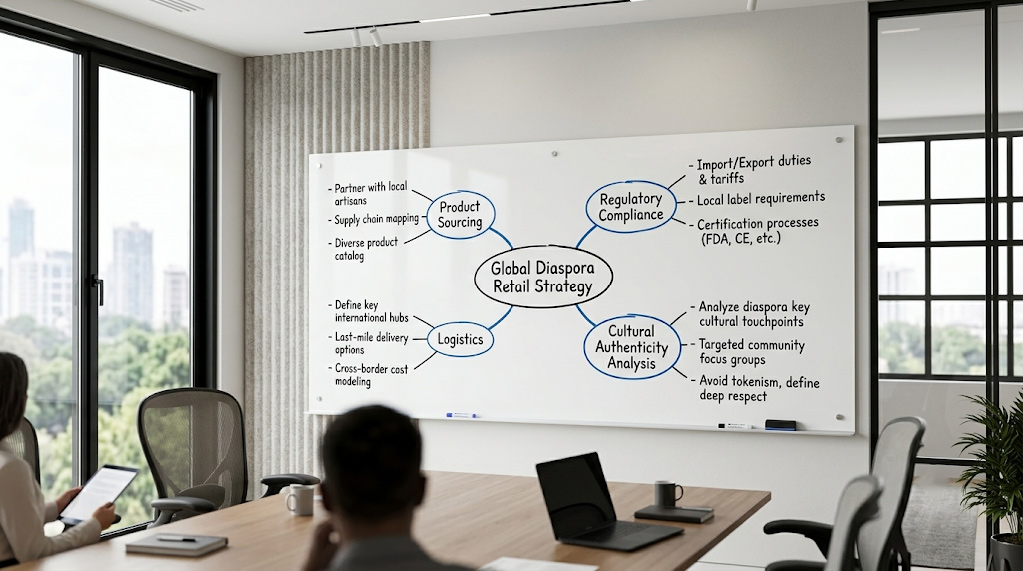
If you want to protect your organic visibility and ensure your brand continues to rank effectively on global discovery tools, your immediate workflow must change. Implement these five operational strategies today:
- Deploy Structured Schema: Embed highly advanced product, organization, and local business schema markup directly into your site architecture to facilitate seamless AI data extraction.
- Bold Essential Concepts: Ensure that your core operational insights, regulatory metrics, and definitive conclusions are emphasized using clean formatting to maximize skimmability.
- Format Short Paragraphs: Keep your written text exceptionally concise, utilizing a maximum of two to three sentences per paragraph to align with modern mobile consumption habits.
- Build Dedicated Lists: Break down complex compliance procedures, step-by-step logistical workflows, and multi-layered pricing structures into highly digestible bullet points.
- Optimize Media Metadata: Embed high-definition infographics and data-driven process diagrams directly into your articles, ensuring every file uses descriptive, keyword-rich alt-text and file names.
The Long-Term Horizon of Global Discovery
The future of digital growth belongs entirely to the brands that treat optimization as a holistic operational discipline rather than a superficial marketing tactic. The automated tools governing global search engines are becoming exceptionally sophisticated at identifying and rewarding genuine human substance.
Stop spending valuable corporate resources chasing short-lived algorithmic loopholes or generating massive volumes of superficial, low-value content. Focus your energy on documenting your actual operational journeys, codifying your unique domain expertise, and maintaining absolute data cleanliness across your entire web architecture.
When you build a digital presence that provides undeniable, structured, and real-world value to your global audience, the discovery algorithms will naturally align with your business. Clean data, verified expertise, and authentic human execution will always remain the ultimate ranking signals across every engine on earth.

Frequently Asked Questions
1. How exactly does the latest Google search algorithm update affect specialized sectors like international Tamil retail?
The latest google search algorithm update shifts focus from simple keyword volume to real-world entity verification. For Tamil retail merchants exporting globally, this means search engines now cross-reference your digital claims with public supply chain data, company registries, and cross-platform footprints. Brands without verifiable operational tracking are being deprioritized in favor of businesses that show structural transparency.
2. Why is tracking the latest seo update crucial for international diaspora brands?
The latest seo update heavily prioritizes clean semantic data structure and Answer Engine Optimization (AEO). Because diaspora brands frequently serve unique, highly specific cultural search intents on a global search engine, your content must be perfectly structured for AI scrapers to interpret and cite. If your product specs, regional pricing, and shipping zones are hidden in unorganized text walls, AI overviews will simply omit your brand from conversational answer results.
3. How do the latest market updates impact my day-to-day search engine optimization?
The latest market updates show massive volatility in global logistics, maritime freight costs, and inventory stability. Modern discovery algorithms are beginning to read consistent “out-of-stock” statuses and fulfillment friction as negative localized ranking signals. Search visibility is no longer just a marketing metric; your organic ranking is now deeply tied to your real-world logistical health.
4. Can a diaspora brand still rank on a global search engine without high-budget agency spend?
Yes, but your strategy must shift from volume to authentic expertise. A global search engine increasingly rewards direct, first-person experiential data (E-E-A-T) over generic marketing copy. By documenting your real onboarding hurdles, exact customs processes, and landing cost structures, you create high-utility content that automated tools can cleanly synthesize and rank over thin, programmatic text.
5. What is the fastest operational fix to protect my organic traffic following the latest search update?
The most immediate step is data structure organization. Audit your entire digital footprint to implement advanced Schema markup (Product, Organization, and Local Business). Ensure that your core cultural insights are supported by exact data blocks, concise paragraphs, and explicit keyword mapping so that search crawlers can instantly validate your domain authority.